Toyota RV Motorhome two luxury bedroom with kitchen, engine is powerful with 650HP
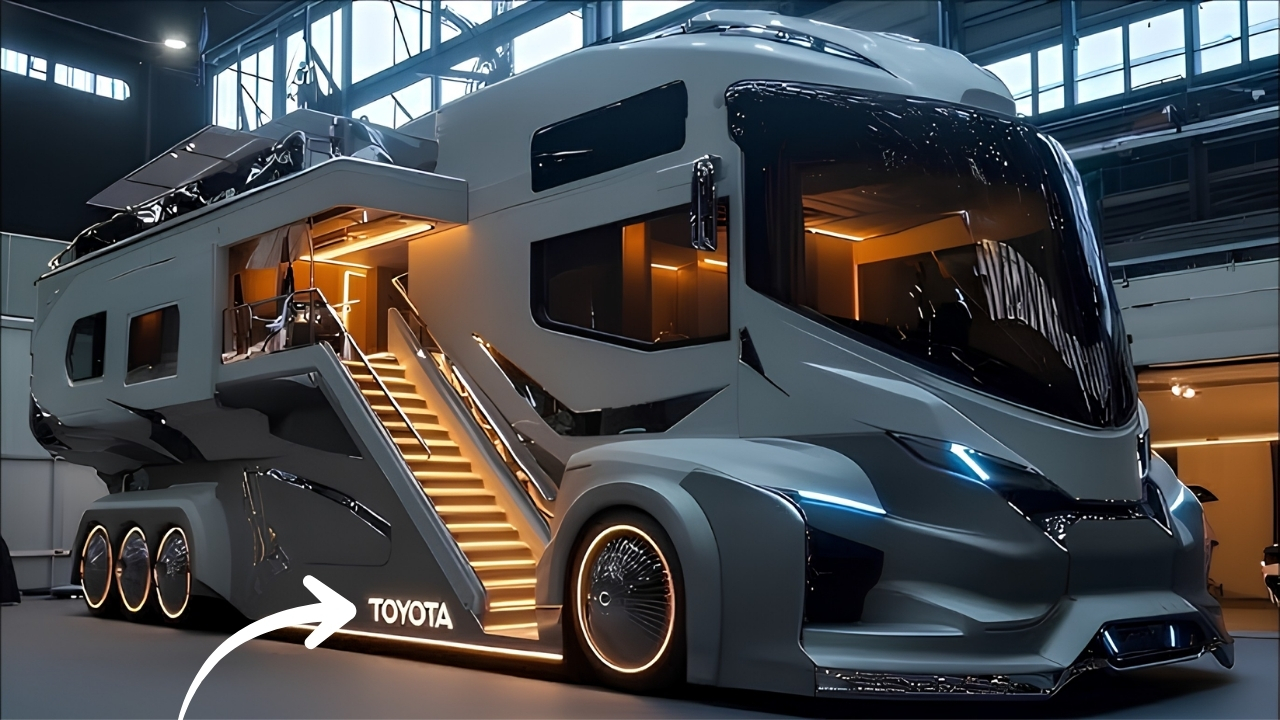
Interest in a Toyota RV motorhome is growing among American travelers who want the freedom of RV living without driving a huge Class A vehicle. Toyota has a strong reputation for reliability, efficient hybrid technology, and durable trucks, so the idea of a factory-built Toyota motorhome naturally attracts attention.
However, buyers should separate confirmed information from online speculation. As of August 2026, there is no clear official announcement from Toyota confirming a mass-produced, full-size Toyota-branded motorhome for the United States.
Many online reports describe future Toyota RV models, 6×6 campers, luxury motorhomes, and Tacozilla-inspired vehicles, but several of those stories are based on rumors, concept designs, independent conversions, or entertainment videos rather than an official Toyota launch.
The most realistic Toyota RV story for the American market currently involves camper conversions based on Toyota trucks and vans.
The Tacoma, Tundra, and the well-known Tacozilla concept continue to influence the type of adventure vehicle many enthusiasts want to see from Toyota.
The Tacozilla Concept Still Drives Interest
Toyota’s Tacoma Tacozilla concept became popular because it combined a pickup truck with a compact motorhome body. The design paid tribute to Toyota’s classic Chinook camper while adding modern off-road equipment and a more practical living space.
Instead of using a large towable trailer, the concept placed a custom camper module directly on the truck chassis. This layout gave it a compact appearance and allowed travelers to reach locations that may be difficult for a traditional motorhome.
The interior concept focused on clever space management. It included sleeping accommodation, a small kitchen, seating areas, storage compartments, and equipment designed for outdoor travel. The design was not intended to compete directly with large luxury motorhomes. Its appeal came from its smaller footprint, distinctive styling, and ability to combine daily driving with weekend adventure.
Although the Tacozilla attracted considerable public attention, it should not be confused with a regular production model available through Toyota dealerships. It remains better understood as a concept and design showcase rather than proof of a confirmed 2026 Toyota motorhome launch.
Possible Toyota RV Platforms
If Toyota eventually introduces an RV for the United States, several platforms could provide a foundation.
The Tacoma would be suitable for a compact pickup-based camper aimed at couples and small families. Its off-road capability, manageable size, and growing aftermarket support make it a natural choice for a lightweight adventure vehicle.
The Tundra could support a larger and more capable truck camper. Its greater size and towing strength would allow more room for water tanks, batteries, storage, and living equipment. A Tundra-based RV could appeal to buyers who want more comfort while retaining the ability to travel on dirt roads and remote forest routes.
A van-based design would provide a different ownership experience. In other markets, Toyota commercial vans and cab-over platforms are used by independent companies to build camper vans and motorhomes. These vehicles can offer a more traditional interior layout with easier access between the driver’s cabin and living area.
For the United States, legal certification, emissions compliance, crash testing, production costs, and dealer support would all influence whether such a vehicle could reach customers.
Expected Features and Interior Design
A Toyota camper would likely focus on practical features rather than excessive decoration. Buyers in the American RV market increasingly value compact kitchens, comfortable sleeping areas, efficient climate control, and dependable off-grid systems.
A modern Toyota RV could include a convertible dinette, a two-burner cooking area, a refrigerator, a compact sink, and organized overhead storage. A larger version might add a private bathroom, a permanent bed, and a separate shower area.
Off-grid equipment would also be important. Solar panels, lithium battery storage, an inverter, exterior charging points, and a digital energy-management system could help travelers stay away from campgrounds for longer periods. USB-C outlets and smartphone connectivity would be useful for people working remotely or creating content while traveling.
Toyota’s driver-assistance technology could provide another advantage. Features such as adaptive cruise control, lane-departure warning, automatic emergency braking, and blind-spot monitoring would make long highway journeys less tiring. Still, the final equipment list would depend on the platform and the company’s production plans.
Powertrain and Driving Expectations
Toyota’s hybrid technology is one of the main reasons people expect a future Toyota RV to use an electrified powertrain. A hybrid system could improve low-speed response, reduce engine workload, and provide additional electrical energy for camper equipment.
That does not mean a hybrid Toyota motorhome would automatically deliver exceptional fuel economy. Motorhomes are heavy, tall, and less aerodynamic than regular vehicles. Added furniture, water, batteries, camping equipment, and passengers would further increase weight.
A truck-based RV would probably prioritize torque, durability, and traction. Four-wheel drive could be useful for snow, loose gravel, muddy roads, and steep campsite entrances, but most owners would not need a six-wheel-drive system. Claims about Toyota 6×6 motorhomes, extreme armored campers, or very high-output hybrid systems should be treated cautiously unless Toyota confirms them directly.
Why Buyers Should Watch the Details
The difference between an official Toyota vehicle and a Toyota-based conversion is significant. A factory-built model would normally receive Toyota’s warranty structure and dealer support. A conversion built by an independent company may have separate warranties for the chassis, body, plumbing, electrical system, appliances, and interior fittings.
Customers should also check the vehicle’s gross vehicle weight rating, payload capacity, axle limits, water-tank size, battery capacity, tire rating, and service arrangements. A beautiful camper can become difficult to operate if it is overloaded or lacks suitable repair support.
Registration rules can vary between states. Insurance costs may also depend on whether the vehicle is classified as a motorhome, truck camper, or custom conversion. These practical issues matter just as much as the engine or interior design.
The Outlook for the U.S. Market
Toyota clearly has the brand strength to attract attention in the RV segment. Many American buyers already trust Toyota trucks for camping, towing, and overlanding. A compact Toyota camper could appeal to travelers who want a smaller alternative to a conventional motorhome.
For now, the strongest evidence points toward concepts, custom builds, and Toyota-based recreational vehicles rather than a confirmed nationwide Toyota RV motorhome lineup. The Tacozilla concept shows that Toyota understands the appeal of a distinctive adventure camper, while the Tacoma and Tundra provide suitable foundations for independent builders.
Anyone considering a purchase should wait for official announcements, verified specifications, and confirmed dealer information. Until then, online claims about launch dates, performance figures, interior features, and production versions should be viewed as unconfirmed.
Frequently Asked Questions
1. Is Toyota launching a new motorhome in the USA?
Toyota has not clearly confirmed a mass-produced, full-size motorhome lineup for the United States. Many reports currently refer to rumors, concepts, or independent conversions.
2. What is the Toyota Tacozilla?
Tacozilla is a Toyota Tacoma-based camper concept inspired by the classic Toyota Chinook. It combines a pickup truck with a custom motorhome-style living module.
3. Can I buy a Tacozilla from a Toyota dealer?
The Tacozilla concept is not generally sold as a standard production model through Toyota dealerships. Similar vehicles may be created by custom conversion companies.
4. Which Toyota vehicle is best for an RV conversion?
The Tacoma is suitable for a compact camper, while the Tundra can support a larger truck camper with greater payload and towing capability.
5. Will a future Toyota RV use hybrid technology?
Hybrid technology is possible because Toyota already has experience with electrified powertrains. However, the company has not confirmed the final powertrain for a U.S. motorhome.
6. Will Toyota produce a 6×6 motorhome?
There is no reliable official confirmation of a mass-production Toyota 6×6 motorhome for American buyers. Online 6×6 claims are often speculative or based on custom concepts.
7. Could a Toyota RV include a bathroom?
A larger motorhome could include a compact bathroom, but a smaller Tacoma-based camper would likely use limited interior space and may not offer a full bathroom.
8. Would a Toyota camper be suitable for off-grid travel?
A properly equipped camper could support off-grid trips with solar power, battery storage, water tanks, and efficient appliances. Its actual capability would depend on the final design.
9. Are Toyota RV prices officially available?
No official U.S. pricing is available for a confirmed factory-built Toyota motorhome because Toyota has not announced a regular production model.
10. What should buyers do before placing a reservation?
Buyers should verify the vehicle through Toyota’s official channels, confirm the builder’s identity, inspect the warranty terms, check weight ratings, and avoid paying deposits based only on social-media claims.